

You've likely come across the term "freight forwarding," but what exactly is it? In essence, freight forwarding entails the intricate process of navigating imports and exports through the labyrinth of the supply chain. These operations involve collaboration with shipping companies, airlines, hauliers, and customs authorities to seamlessly transport items from their origin to their final destination.
Understanding Freight Forwarding
Freight forwarders orchestrate the movement of goods from one country to another. Whether it's packages, crates, or containers, these intermediaries serve companies and individuals engaged in import and export activities. The level of involvement the forwarder has in the journey of goods is determined by the client. It could entail transporting a container load from a factory to another location for further assembly, or delivering finished goods directly from the producer to a retail store's warehousing facility.
Diverse Modes of Transportation
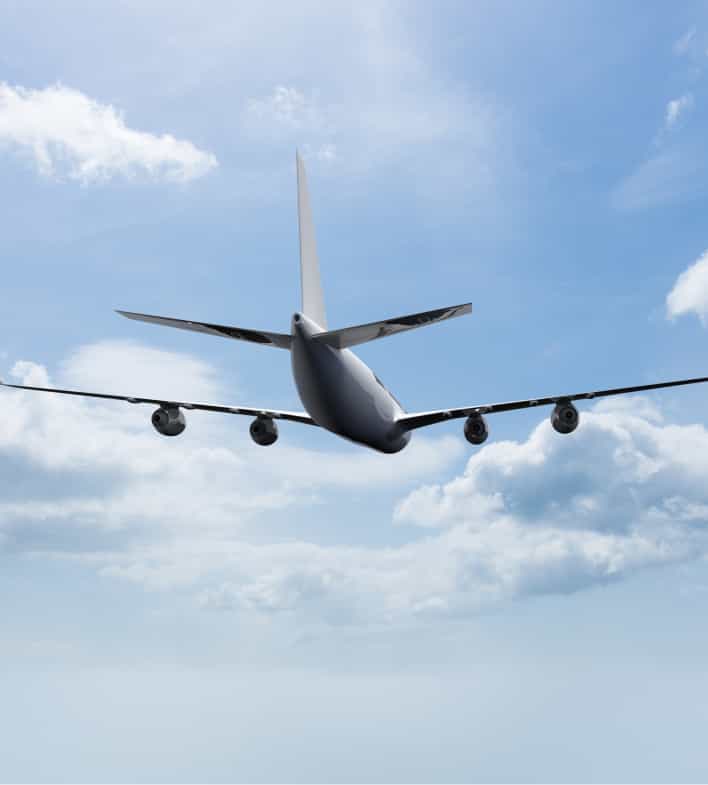
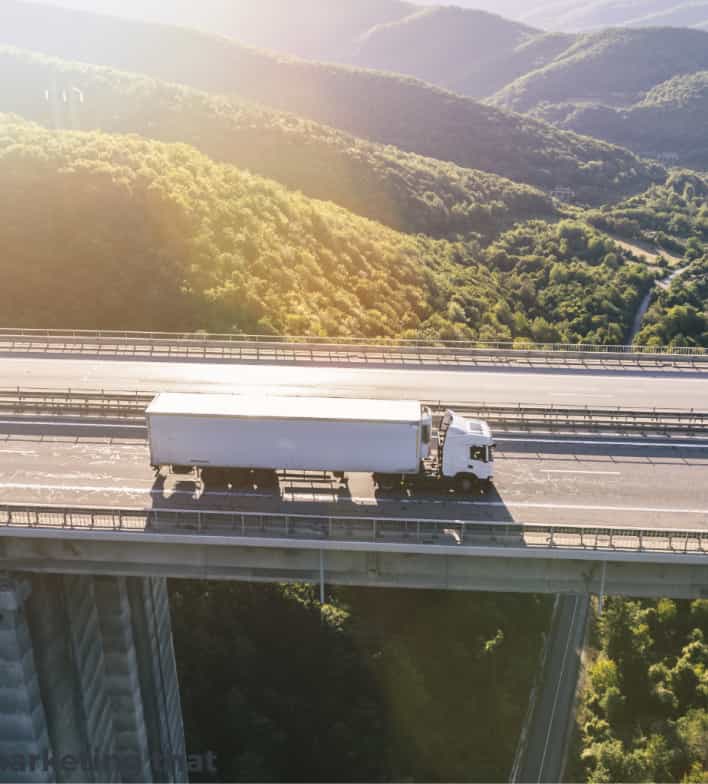
A key facet of freight forwarding is its flexibility in utilizing various shipping modes beyond just maritime vessels. From sea routes to airways, roads, and railways, freight forwarding companies leverage a diverse array of transportation options to ensure efficient delivery.

Freight Forwarding - Warehouse & Distribution
Illustrative Example
Consider a scenario where a factory in China produces children's toys. A freight forwarding company could coordinate the transportation process, starting from trucking the toys to the airport in China, flying them to London Heathrow, and finally delivering them to the customer's warehouse or retail outlet in the UK.
Distinction from 3PL
While freight forwarding focuses primarily on the movement of goods, a Third-Party Logistics (3PL) provider extends its services to encompass various aspects of supply chain management. Unlike freight forwarders, 3PLs offer value-added services such as warehousing, assembly, and returns management, catering to a broader spectrum of logistical needs.Effective global logistics relies heavily on robust transportation networks, including ships, planes, trucks, and trains. Delays, congestion, and infrastructure inadequacies can hinder the movement of goods, leading to increased costs and potential bottlenecks.
Operational Workflow
Freight forwarding companies serve as intermediaries, leveraging their network of contacts to negotiate optimal routes and rates for their clients. In addition to overseeing cargo movement, they also handle documentation and customs clearance, ensuring regulatory compliance at every stage of the journey.
The Freight Forwarder's Role
A freight forwarding company acts as a guardian of its clients' goods, working diligently to ensure a seamless transit experience. Responsibilities include:
- Safety and compliance: Ensuring proper packing and securing of cargo for transit. - Speed and efficiency: Timely delivery of goods according to customer timelines.- Convenience: Streamlining logistics coordination for clients.
Benefits of Using a Freight Forwarder
Engaging a freight forwarding partner offers several advantages:
1. Business Growth: By outsourcing logistics management, businesses can focus on expansion initiatives.2. Cost Savings: Leveraging the collective shipment volumes allows for cost-effective transportation solutions.3. Regulatory Compliance: AEO-certified freight forwarders navigate complex customs regulations seamlessly.4. Industry Expertise: Benefit from the knowledge and insights of seasoned professionals to optimize logistical operations.5. Specialized Services: Freight forwarders offer guidance on handling diverse requirements, including hazardous goods and unusual shipments.

