

Logistics and freight forwarding are essential components of supply chain management, each contributing to the seamless flow of goods and materials. Despite their close relationship, significant differences exist between these two vital functions.
Logistics vs Freight Forwarding: 5 Differences
1. Scope of Operations:Logistics encompasses a broader scope, including planning, implementing, and controlling the entire flow of goods from origin to consumption. Freight forwarding, however, focuses specifically on the transportation and forwarding of goods.
2. Responsibility and Role:In logistics, the responsibility lies with the logistics provider, managing activities like procurement, storage, and distribution. Freight forwarding involves the role of a freight forwarder, acting as an intermediary between shippers and carriers.
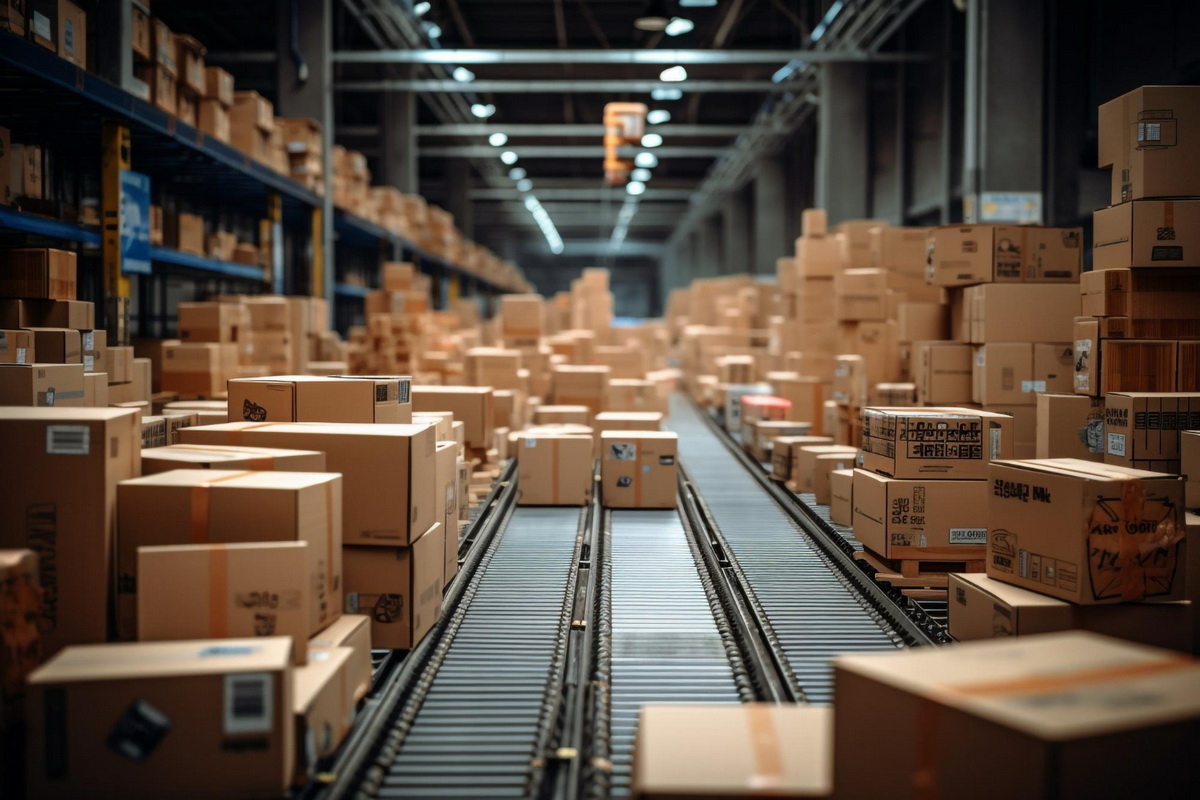
Logistics vs Freight Forwarding
3. Focus on Transportation:While logistics includes transportation as a core component, it extends to other activities like warehousing and inventory management. Freight forwarding primarily concentrates on arranging transportation and optimizing freight routes.
4. Documentation and Customs Clearance:Freight forwarding entails extensive documentation and customs clearance for international shipments, whereas logistics focuses more on overall supply chain management rather than specific customs-related tasks.


5. Value-Added Services:Logistics often involves providing value-added services such as packaging, labeling, and reverse logistics. Freight forwarding primarily concentrates on transportation and may not offer as many additional services beyond core transportation functions.
The Intersection of Logistics and Freight Forwarding
Logistics and freight forwarding collaborate closely to ensure the efficient movement of goods across the supply chain. This collaboration brings benefits such as seamless coordination, expertise in documentation, international networks, risk mitigation, and value-added services.
Logistics is a comprehensive term encompassing various activities in the efficient flow of goods, including supply chain management, transportation, warehousing, packaging, and information management.
Freight forwarding is a specialized service focusing on the transportation of goods, especially in international trade. Freight forwarders act as intermediaries, managing documentation, carrier selection, freight consolidation, cargo insurance, and information management.
Conclusion
In conclusion, logistics and freight forwarding are distinct yet interconnected aspects of supply chain management. Understanding their differences and synergies is crucial for optimizing supply chain operations and achieving operational excellence.

